Sending your child to preschool is a big step. It’s the first time your little one leaves the safety of home and steps into a new world. But amidst all the excitement, one vital question haunts every parent— “Is my child safe at preschool?”
In this blog, we explore the most overlooked aspects of preschool safety, helping you make an informed and confident choice.
Physical
Safety: A Child-Friendly Environment Matters
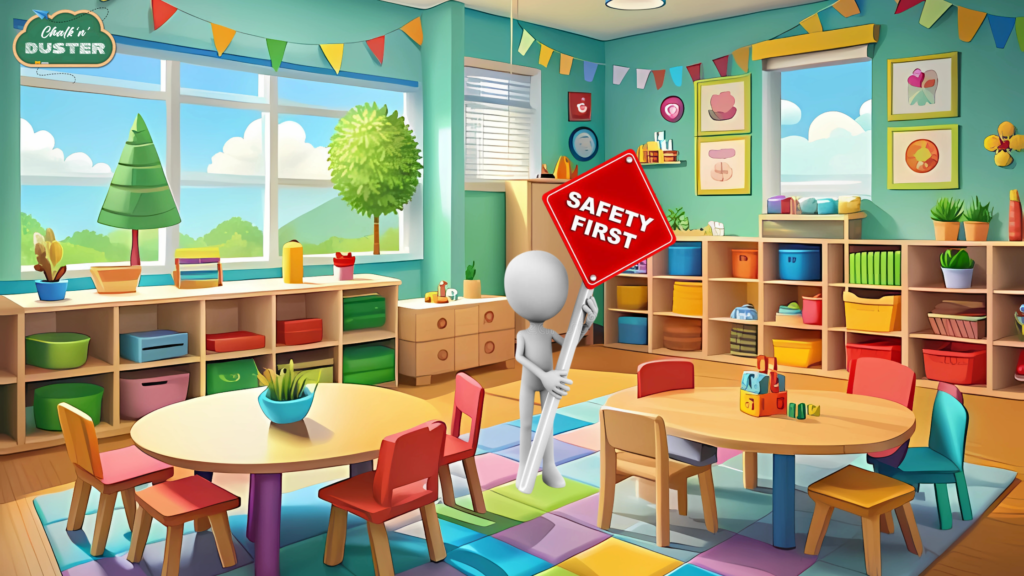
Preschool infrastructure should be designed exclusively for children. Look out for:
Rounded furniture edges
Non-toxic play materials
Clean and safe outdoor play areas
Secured staircases and windows with grills or guards
These small yet crucial details go a long way in preventing accidents. If the environment seems designed more for adults than young children, it may not be the right setting for your child’s early learning and development.
Security
Measures: Who’s Watching the Watchers?
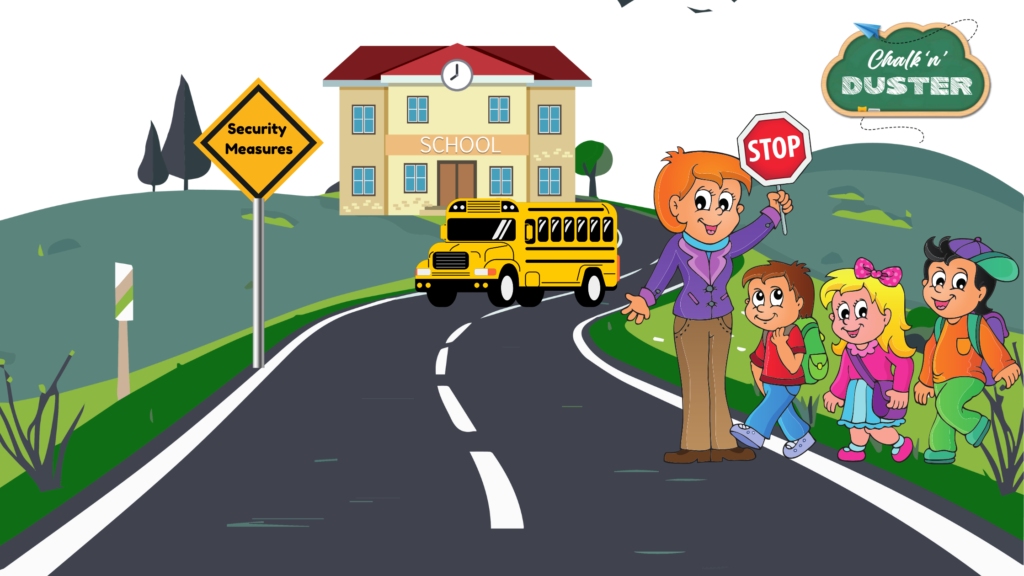
Security isn’t just about locked doors. Ask the preschool:
Do you have CCTV surveillance?
Are all visitors recorded at entry?
Have all staff members passed background checks?
A school that’s confident about its safety will have no issue being transparent. Ensure you have the opportunity to see the security in action, not just on paper.
Health
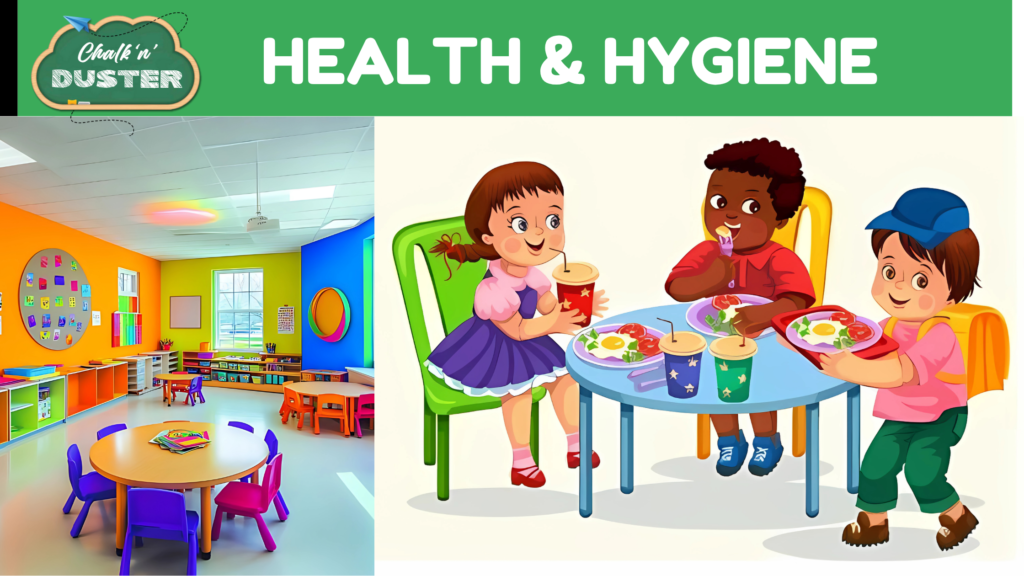
& Hygiene: Cleanliness Is Non-Negotiable
Preschoolers are vulnerable to infections. So, cleanliness is not optional—it’s essential. Here’s what to observe:
Clean toilets and classrooms
Regular sanitization of toys and learning tools
Handwashing practices before meals and after toilet use
Safe drinking water and hygienic food storage
If possible, visit the premises unannounced and see the hygiene levels for yourself.
Teacher-Child
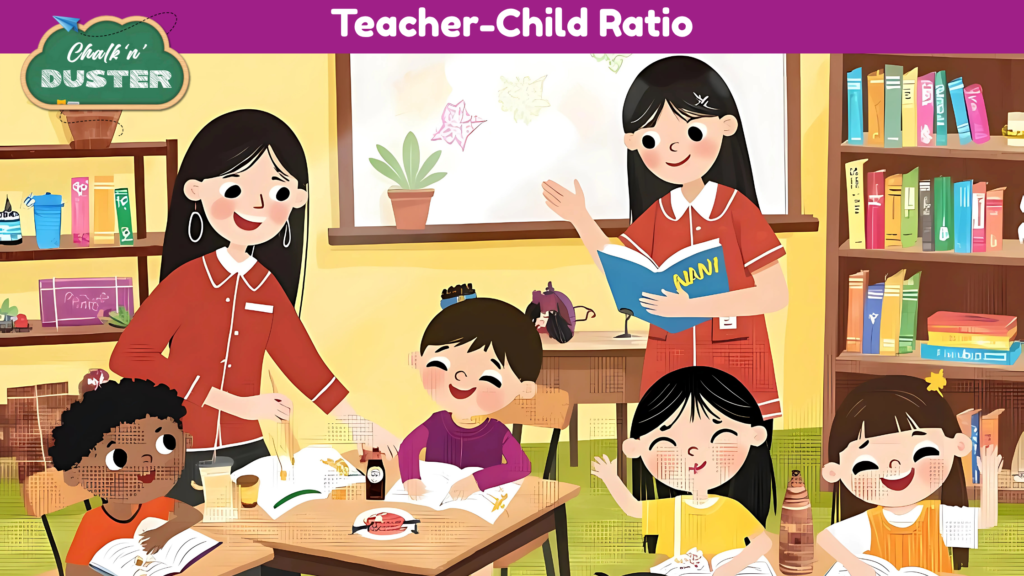
Ratio: Is Your Child Getting Enough Attention?
The ideal teacher-child ratio for preschoolers is 1:10 or better. Smaller class sizes allow:
Better supervision
Individual care and attention
Safer playtime and group activities
Overcrowded classrooms put safety and learning at risk. Always ask for the exact number of children per class.
Emergency
Readiness: Can the Staff Handle a Crisis?
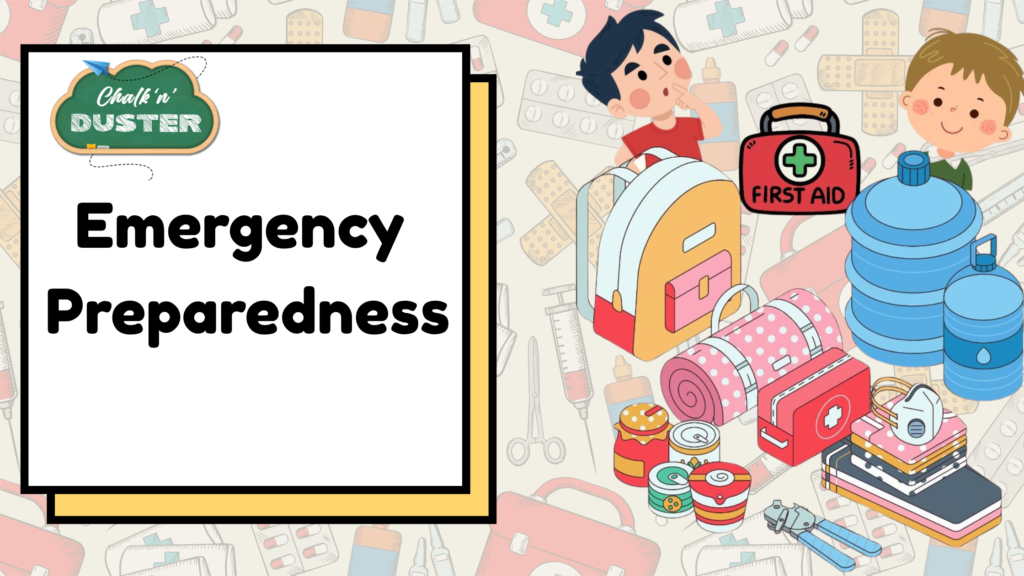
Emergencies don’t wait—and neither should preparation. Every preschool must have:
Staff trained in first aid and CPR
Easily accessible first-aid kits
Tie-ups with nearby hospitals
Clear evacuation plans for fire, earthquake, or any disaster
Ask if mock drills are conducted regularly. This shows that the school prioritizes readiness over reaction.
Emotional
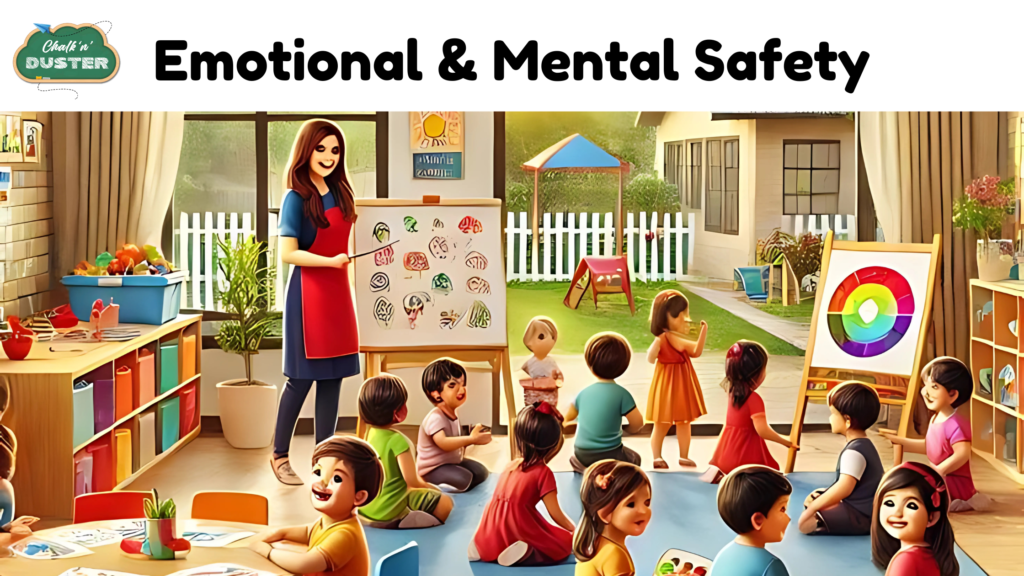
& Mental Safety: Is Kindness a Daily Practice?
Physical safety is only one side of the coin. Emotional safety is equally important. Look for signs like:
Warm and respectful teacher behaviour
A no-bullying policy
Positive reinforcement rather than punishment
Freedom to express emotions without fear
A child who feels emotionally secure is more likely to learn, explore, and grow.
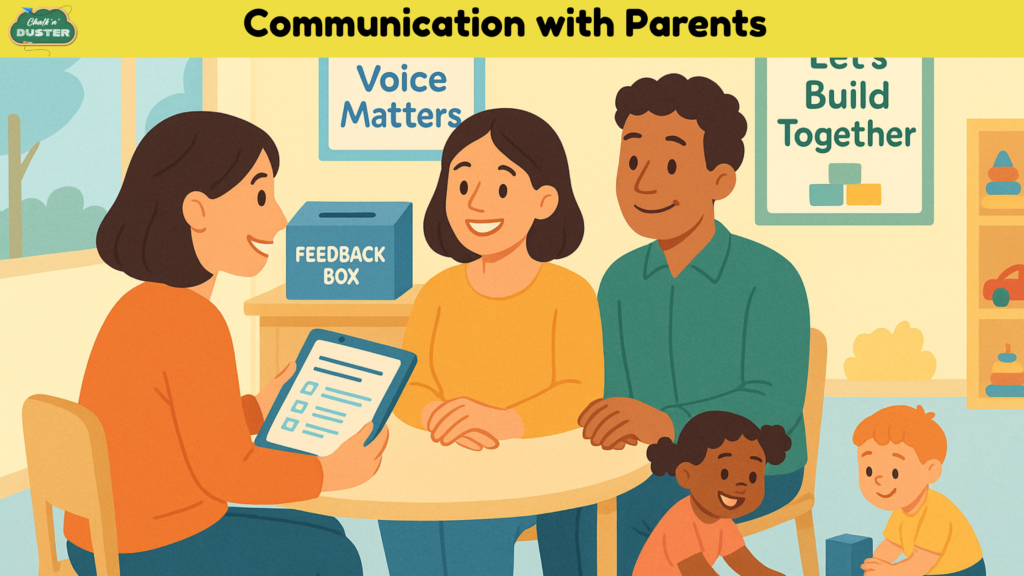
Communication
with Parents: Are You Kept in the Loop?
A good preschool will never leave you guessing. Check if they provide:
Daily updates via messages or apps
Monthly parent-teacher meetings
Immediate communication in case of incidents
Openness to parent feedback
Transparency builds trust, and trust builds peace of mind.
Signs
That a Preschool May Not Be Safe for Your Child.
Pay attention to the following signs:
Your child resists going to preschool without a reason
You notice bruises, anxiety, or sudden behavioural changes
Teachers are unwilling to address your concerns openly or avoid giving clear answers.
The school discourages parent visits.
These signals demand urgent attention—and possibly a switch.
Quick
Safety Checklist Before You Finalize a Preschool
Before saying “yes,” ensure the preschool:
Has CCTV and trained staff
Maintains hygiene protocols
Keeps a healthy teacher-child ratio
Offers emotional safety
Shares updates regularly
Welcomes parent involvement
For a helpful guide and checklist, you can also explore more resources onchalknduster—a platform focused on quality early education and parent awareness.
Final
Thoughts: Safety Is Not a Luxury—It’s a Right
As a parent, trust your instincts—but back them with facts. Your child’s safety, both physical and emotional, should never be compromised. Choosing the right preschool isn’t just about location or fees—it’s about creating a safe space where your child can thrive.
If you’re still unsure, don’t hesitate to ask questions, request a tour, and demand transparency. Because when it comes to your child, nothing is more important than knowing they’re in safe hands.